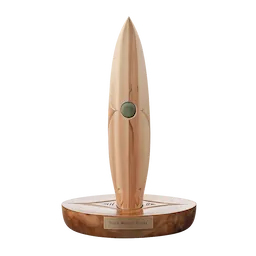
Crowe-Thorpe Trophy
The Crowe-Thorpe Trophy is the Test cricket contest between England and New Zealand named in honour of two iconic batsmen, Martin Crowe and Graham Thorpe. Crowe and Thorpe built distinguished international careers across the 1980s, 1990s and 2000s, with their performances and character leaving a lasting mark on the game. The trophy was introduced for the England-New Zealand Test rivalry in 2024-25, creating a new tradition that connects the two countries through the legacies of two highly respected players. The series also forms part of the ICC World Test Championship cycle.
The latest edition, played from June 4 to June 29, 2026, added another chapter to the England-New Zealand rivalry, with the series contributing to the ICC World Test Championship. Played across Lord’s and The Oval in London and Trent Bridge in Nottingham, the contest saw New Zealand recover from an opening-Test defeat to win the Crowe-Thorpe Trophy 2-1. New Zealand’s two victories in the final two Tests secured the series and made them the current holders of the trophy. Their ability to respond strongly after the first Test stood out across the tour, particularly as they adapted to challenging English conditions. For Indian fans following the WTC cycle and Test cricket, the 2026 series added another memorable chapter to the developing history of the Crowe-Thorpe Trophy.




England and Wales Cricket Board (ECB)






Introduction
The world of international cricket is always changing, with exciting matches, evolving rivalries and celebrations of cricketing heroes. Within this landscape, the Crowe-Thorpe Trophy has become a meaningful addition to the Test calendar, honoring the long-standing connection between England and New Zealand. Created as a tribute to two great cricketers, the late Martin Crowe of New Zealand and the late Graham Thorpe of England, the trophy adds a symbolic layer to a rivalry that has been part of the sport’s history for nearly a century.
The introduction of the Crowe-Thorpe Trophy elevated the anticipation surrounding England vs New Zealand Test cricket, giving each series a clear identity and a renewed sense of purpose. Every meeting between the two sides now carries an added narrative, blending tradition with a modern expression of respect and sportsmanship. The trophy itself reflects this spirit, crafted from the bats Crowe and Thorpe used during their century-scoring duels in the 1990s and inlaid with jade or pounamu, creating a cultural and emotional link between the two nations. As each new England vs New Zealand cricket series approaches, interest naturally grows around the history of the rivalry, the players involved and the significance of each Test match.
Since its debut edition in New Zealand in 2024-2025, the Crowe-Thorpe Trophy has continued to shape a fresh chapter in the History of Crowe-Thorpe Trophy cricket. Designed by Māori artist David Ngawati, the trophy stands as a lasting symbol of the legacy of Crowe and Thorpe and the competitive balance that defines this matchup. With every new series, the event strengthens its place in the Test cricket landscape, drawing attention from supporters in both countries and from global audiences who follow the rivalry’s evolution. This blend of art, heritage, and fierce competition sets a compelling stage for fans, while the trophy provides a distinctive identity for one of Test cricket’s most respected modern rivalries. The story of the Crowe-Thorpe Trophy can also be explored through the Hindi version of this page (क्रो-थोर्प ट्रॉफी हिंदी समीक्षा), offering another way to follow the history, key moments and continuing development of this England vs New Zealand contest.
Best Online Betting Sites in India - October 2026











































Current Season
The 2026 Crowe-Thorpe Trophy took place from 4 June to 29 June 2026, with the final Test held at Trent Bridge in Nottingham. New Zealand won the three-match series 2-1 to claim the trophy.
The Crowe-Thorpe Trophy has quickly become one of the most intriguing bilateral contests in the Test calendar, blending tradition, rivalry and modern WTC stakes. The 2026 edition, originally previewed as a marquee red-ball event, ultimately delivered on that promise and unfolded as one of the most closely followed England-New Zealand series of the current ICC World Test Championship cycle. With both teams navigating new combinations and long-term planning for the 2025-2027 WTC race, the series carried competitive weight beyond its three-Test structure, especially for Indian fans following the tactical shifts across an extended Test tour.
The scheduling framework remained intact, but once the matches were played, the narrative shifted from anticipation to outcome. Lord’s opened the series and produced a strong start for England, who secured a 115-run victory to take an early lead. The momentum changed sharply at The Oval, where New Zealand levelled the series with a commanding win, showcasing their adaptability in English conditions. The decider at Trent Bridge then became the defining chapter of the tour, with New Zealand sealing the trophy through a composed and disciplined performance that earned them the 2-1 series triumph. For a young trophy still building its legacy, this result marked a significant moment, as New Zealand claimed their first Crowe-Thorpe title.
The series also drew strong interest across England's established Test cricket venues, with Lord’s, The Oval and Trent Bridge providing the backdrop for three closely watched matches. The strong demand for tickets and hospitality reflected the enduring appeal of Test cricket in England, particularly for a series involving two teams competing for valuable WTC points. Lord’s and Trent Bridge both recorded strong supporter interest around their respective Tests, adding to the atmosphere throughout the series.
Broadcast and streaming coverage gave the series a broad international audience. Sky Sports and NOW carried the matches in the UK, while Indian audiences followed the action through the relevant domestic broadcast and digital platforms. The three Tests also generated sustained online discussion as the series moved from England’s opening victory to New Zealand’s two successive wins. For Indian cricket followers, the afternoon IST sessions offered an accessible window into the tactical shifts and changing momentum across the tour.
The series unfolded during a vibrant English summer that also featured the ICC Women’s T20 World Cup, creating a festival-like cricket atmosphere across London and Nottingham. This overlap added to the wider cricketing activity around the venues and gave fans a varied schedule of international matches to follow. For Indian fans, the combination of heritage venues, challenging English conditions and the tactical depth of a three-Test series offered a familiar narrative that blended tradition with modern WTC significance.
The series benefited from strong digital engagement, particularly on social platforms where match highlights and session-by-session updates generated substantial attention. ICC and ECB digital channels highlighted key moments throughout the series, with the Trent Bridge decider attracting particular interest as New Zealand completed their comeback. The result also added another memorable chapter to the early history of the Crowe-Thorpe Trophy, which was created to honor Martin Crowe and Graham Thorpe.
As of mid-2026, no further men's Test series between England and New Zealand had been formally scheduled beyond the 2026 Crowe-Thorpe Trophy. England's confirmed 2027 home programme includes white-ball matches against New Zealand rather than another Test series, so the date of the next Crowe-Thorpe Trophy contest remains unconfirmed.
Ongoing October 2026 Events
 |
ICC World Test Championship (WTC) Test | June 17, 2025 – June 13, 2027 | LIVE |
|
ICC Women's Championship ODI | February 20, 2026 – April 15, 2029 | LIVE |
 |
Minor League Cricket (MiLC) T20 | September 17, 2026 – October 25, 2026 | LIVE |
|
Cricket at the Asian Games T20I | September 17, 2026 – October 3, 2026 | |
  |
South Africa vs Australia Tour | September 24, 2026 – October 31, 2026 | LIVE |
 |
Col CK Nayudu Winners vs ROI FC | October 1–4, 2026 | |
|
Irani Cup FC | October 1–5, 2026 | |
 |
National Cricket League (NCL) FC | October 3, 2026 – November 17, 2026 | LIVE |
|
Vinoo Mankad Trophy List A | October 8–27, 2026 | LIVE |
  |
Sri Lanka vs Pakistan Tour | October 9, 2026 – November 21, 2026 | LIVE |
|
Women's U19 T20 Trophy T20 | October 9–26, 2026 | LIVE |
|
Ranji Trophy FC | October 11, 2026 – March 3, 2027 | LIVE |
|
Col CK Nayudu Trophy Multi-Day | October 12, 2026 – March 1, 2027 | LIVE |
 |
India vs New Zealand Tour | October 22, 2026 – December 1, 2026 | |
 |
Nepal Premier League (NPL) T20 | October 26, 2026 – November 21, 2026 | |
|
Senior Women's T20 Trophy T20 | October 26, 2026 – November 20, 2026 | |
 |
Bangladesh vs West Indies Test | October 28, 2026 – November 9, 2026 | |
|
Women's Big Bash League (WBBL) T20 | October 29, 2026 – December 5, 2026 | |
|
Women's U19 T20 Challenger Trophy T20 | October 30, 2026 – November 5, 2026 |
Ongoing October 2026 Events
|
ICC World Test Championship (WTC) Test | June 17, 2025 – June 13, 2027 | LIVE |
|
ICC Women's Championship ODI | February 20, 2026 – April 15, 2029 | LIVE |
|
Minor League Cricket (MiLC) T20 | September 17, 2026 – October 25, 2026 | LIVE |
|
Cricket at the Asian Games T20I | September 17, 2026 – October 3, 2026 | |
|
South Africa vs Australia Tour | September 24, 2026 – October 31, 2026 | LIVE |
|
Col CK Nayudu Winners vs ROI FC | October 1–4, 2026 | |
|
Irani Cup FC | October 1–5, 2026 | |
|
National Cricket League (NCL) FC | October 3, 2026 – November 17, 2026 | LIVE |
|
Vinoo Mankad Trophy List A | October 8–27, 2026 | LIVE |
|
Sri Lanka vs Pakistan Tour | October 9, 2026 – November 21, 2026 | LIVE |
|
Women's U19 T20 Trophy T20 | October 9–26, 2026 | LIVE |
|
Ranji Trophy FC | October 11, 2026 – March 3, 2027 | LIVE |
|
Col CK Nayudu Trophy Multi-Day | October 12, 2026 – March 1, 2027 | LIVE |
|
India vs New Zealand Tour | October 22, 2026 – December 1, 2026 | |
|
Nepal Premier League (NPL) T20 | October 26, 2026 – November 21, 2026 | |
|
Senior Women's T20 Trophy T20 | October 26, 2026 – November 20, 2026 | |
|
Bangladesh vs West Indies Test | October 28, 2026 – November 9, 2026 | |
|
Women's Big Bash League (WBBL) T20 | October 29, 2026 – December 5, 2026 | |
|
Women's U19 T20 Challenger Trophy T20 | October 30, 2026 – November 5, 2026 |



Previous Seasons
England and New Zealand share a Test rivalry that stretches back to 1929-1930, long before the Crowe-Thorpe Trophy was introduced. Decades of competitive series, shifting home-and-away fortunes, and memorable performances from legends such as Ian Botham, Richard Hadlee, Graham Gooch and Martin Crowe helped shape the rivalry that the modern trophy now represents. The Crowe-Thorpe era formalized a contest built on decades of high-quality Test cricket between the two sides.
Past Crowe-Thorpe Trophy Editions
- 2026 Series
The 2026 Crowe-Thorpe Trophy, played from 4 June to 29 June 2026 across Lord’s, The Oval and Trent Bridge, marked the second edition of this England-New Zealand rivalry. New Zealand claimed the trophy 2-1, overturning England’s early lead with strong performances in the final two Tests. The decisive match in Nottingham saw New Zealand complete a 160-run victory to secure the series. With England winning at Lord’s and New Zealand responding at The Oval before sealing the contest at Trent Bridge, the 2026 edition delivered a dramatic and high-quality red-ball contest that strengthened the identity of this young trophy. The three-Test series also formed part of the ICC World Test Championship cycle, adding further significance to each match for fans following long-form cricket.
- 2024-2025 Series (Inaugural Season)
England’s inaugural Crowe-Thorpe Trophy triumph in 2024-2025 came during their November-December 2024 Test tour of New Zealand, a three-match series played across Christchurch, Wellington, and Hamilton. Running from 28 November to 18 December 2024, the contest delivered high-quality cricket, with England sealing the trophy 2-1 after winning in Christchurch and Wellington before New Zealand hit back in Hamilton. The final Test ended with New Zealand winning by 423 runs, but England had already secured the series and the first-ever Crowe-Thorpe Trophy. The series formed part of the ICC World Test Championship structure and established the foundation for future editions, including the next meeting between the sides in England in 2026.
| Season | Champion | Runner-up | Final Result | Event / Final Location |
|---|---|---|---|---|
| Crowe-Thorpe Trophy | ||||
| 2026 | New Zealand | England | New Zealand won 2-1 (3 Tests) | England |
| 2024-2025 | England | New Zealand | England won 2-1 (3 Tests) | New Zealand |
| Test Series | ||||
| 2022-2023 | -- | -- | Series drawn 1-1 (2 Tests) | New Zealand |
| 2022 | England | New Zealand | England won 3-0 (3 Tests) | England |
| 2021 | New Zealand | England | New Zealand won 1-0 (2 Tests) | England |
| 2019-2020 | New Zealand | England | New Zealand won 1-0 (2 Tests) | New Zealand |
| 2017-2018 | New Zealand | England | New Zealand won 1-0 (2 Tests) | New Zealand |
| 2015 | -- | -- | Series drawn 1-1 (2 Tests) | England |
| 2013 | England | New Zealand | England won 2-0 (2 Tests) | England |
| 2012-2013 | -- | -- | Series drawn 0-0 (3 Tests) | New Zealand |
| 2008 | England | New Zealand | England won 2-0 (3 Tests) | England |
| 2007-2008 | England | New Zealand | England won 2-1 (3 Tests) | New Zealand |
| 2004 | England | New Zealand | England won 3-0 (3 Tests) | England |
| 2001-2002 | -- | -- | Series drawn 1-1 (3 Tests) | New Zealand |
| 1999 | New Zealand | England | New Zealand won 2-1 (4 Tests) | England |
| 1996-1997 | England | New Zealand | England won 2-0 (3 Tests) | New Zealand |
| 1994 | England | New Zealand | England won 1-0 (3 Tests) | England |
| 1991-1992 | England | New Zealand | England won 2-0 (3 Tests) | New Zealand |
| 1990 | England | New Zealand | England won 1-0 (3 Tests) | England |
| 1987-1988 | -- | -- | Series drawn 0-0 (3 Tests) | New Zealand |
| 1986 | New Zealand | England | New Zealand won 1-0 (3 Tests) | England |
| 1983-1984 | New Zealand | England | New Zealand won 1-0 (3 Tests) | New Zealand |
| 1983 | England | New Zealand | England won 3-1 (4 Tests) | England |
| 1978 | England | New Zealand | England won 3-0 (3 Tests) | England |
| 1977-1978 | -- | -- | Series drawn 1-1 (3 Tests) | New Zealand |
| 1974-1975 | England | New Zealand | England won 1-0 (2 Tests) | New Zealand |
| 1973 | England | New Zealand | England won 2-0 (3 Tests) | England |
| 1970-1971 | England | New Zealand | England won 1-0 (2 Tests) | New Zealand |
| 1969 | England | New Zealand | England won 2-0 (3 Tests) | England |
| 1965-1966 | -- | -- | Series drawn 0-0 (3 Tests) | New Zealand |
| 1965 | England | New Zealand | England won 3-0 (3 Tests) | England |
| 1962-1963 | England | New Zealand | England won 3-0 (3 Tests) | New Zealand |
| 1958-1959 | England | New Zealand | England won 1-0 (2 Tests) | New Zealand |
| 1958 | England | New Zealand | England won 4-0 (5 Tests) | England |
| 1954-1955 | England | New Zealand | England won 2-0 (2 Tests) | New Zealand |
| 1950-1951 | England | New Zealand | England won 1-0 (2 Tests) | New Zealand |
| 1949 | -- | -- | Series drawn 0-0 (4 Tests) | England |
| 1946-1947 | -- | -- | Series drawn 0-0 (1 Test) | New Zealand |
| 1937 | England | New Zealand | England won 1-0 (3 Tests) | England |
| 1932-1933 | -- | -- | Series drawn 0-0 (2 Tests) | New Zealand |
| 1931 | England | New Zealand | England won 1-0 (3 Tests) | England |
| 1929-1930 | England | New Zealand | England won 1-0 (4 Tests) | New Zealand |
* Refers only to Test cricket encounters
History and Structure
When it was first announced in November 2024, the Crowe-Thorpe Trophy was introduced to honor Martin Crowe and Graham Thorpe, two outstanding batters who made a lasting impact on Test cricket for New Zealand and England respectively. The trophy was created through a collaboration between New Zealand Cricket, the England and Wales Cricket Board, and the families of both players, giving the long-running Test rivalry a new symbol of their shared cricketing legacy.
Martin Crowe was a stylish and creative batter who became a mainstay of the New Zealand team for more than a decade and also captained the side. Graham Thorpe was a tough and technically sound left-handed batter who became an important part of England's batting lineup over a long international career. Both players earned widespread respect for their skill, character and contributions to their respective countries, making them fitting namesakes for this Test cricket trophy.
The trophy is a unique piece of cricketing craftsmanship. It was designed by artist David Ngawati of Mahu Creative and incorporates wood from bats that Crowe and Thorpe used during memorable Test innings against each other's teams. Crowe's bat was the GM blade he used to score a century at Lord's in 1994, while Thorpe's Kookaburra was used for his first two Test centuries against New Zealand in consecutive Tests in 1997. The use of these bats gives the trophy a direct connection to the careers of the two players it commemorates, while its design also incorporates pounamu, a stone with deep cultural significance in New Zealand.
Ngawati's design reflects ideas of ascent, legacy and the support systems behind sporting achievement. The trophy is mounted on a wooden base and incorporates pounamu, while its overall form represents the pinnacle of cricketing performance. The design also acknowledges the families, clubs and communities that supported Crowe and Thorpe throughout their careers, adding a personal and cultural dimension to the trophy beyond its role as a sporting prize.
The Crowe-Thorpe Trophy is contested whenever England and New Zealand play a men's Test series. The trophy is awarded to the team that wins the series, with England becoming the inaugural holders after winning the first three-Test series in New Zealand 2-1 in 2024-25. The trophy was unveiled before the first Test at Hagley Oval in Christchurch by Deb Crowe, Martin Crowe's sister, and former England captain Michael Atherton, giving the occasion an added sense of history and emotion.
The Crowe-Thorpe Trophy began as a way to honor two exceptional batters while giving a long-standing Test rivalry a distinctive identity. Although England and New Zealand had already played numerous Test series against each other for decades, the introduction of the trophy created a permanent symbol for their bilateral contests. The competition remains based on Test matches between the two sides, with the series winner taking the trophy.
The Crowe-Thorpe Trophy is part of a broader tradition in international cricket of naming bilateral Test and limited-overs contests after celebrated players from the countries involved. Other examples include the Border-Gavaskar Trophy for Australia and India, the Richards-Botham Trophy for the West Indies and England, and the Chappell-Hadlee Trophy for Australia and New Zealand. These names preserve the legacy of major figures in cricket while adding history and identity to modern international rivalries.


Final Thoughts
The Crowe-Thorpe Trophy is a distinctive addition to modern Test cricket, blending deep history with a fresh sense of identity between England and New Zealand. By honoring Martin Crowe and Graham Thorpe, the competition stands as a tribute to two players whose influence shaped generations, while also celebrating the long-standing cricketing relationship that began in the 1929-1930 season. The trophy’s unique design, crafted from the bats that produced iconic centuries in 1994 and 1997, adds a cultural and emotional dimension that sets it apart from other bilateral honors.
Across its narrative, the Trophy reflects how cricket evolves while staying rooted in tradition. England and New Zealand have contested numerous memorable Test series over the decades, and this named competition brings those encounters under a unified banner that recognizes shared respect and competitive spirit. Its place alongside other celebrated bilateral trophies highlights how the sport continues to find meaningful ways to preserve legacy, deepen rivalries, and inspire new audiences.
In essence, the Crowe-Thorpe Trophy represents more than a Test series result. It symbolizes heritage, craftsmanship, and the enduring connection between two cricketing nations. As future contests unfold, the Trophy will continue to serve as a reminder of the values that define Test cricket: resilience, artistry, and the timeless pursuit of excellence.
Did You Know
