DRS: A System That Keeps Evolving
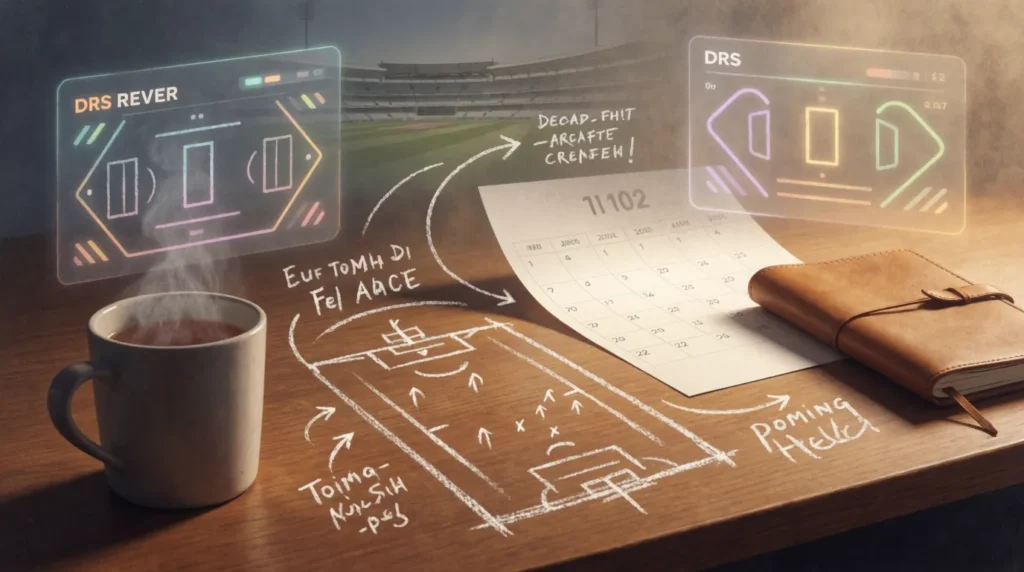
The Decision Review System has become a central part of cricket’s identity. What began as a tool to reduce umpiring errors has grown into a complex mechanism that influences tactics, momentum, and even player psychology. Teams now treat reviews as strategic assets, not just corrective tools.
The biggest improvement has been consistency. Players and fans understand the system better, and broadcasters explain it with clarity. Even casual followers who rely on short clips or quick updates have learned how to know about cricket through moments shaped by DRS. It has become part of the sport’s storytelling.
Yet DRS is not perfect. Umpire’s call remains a point of debate, especially in tight LBW decisions. But the system’s overall impact is undeniable. It reduces controversy, encourages precision, and adds a layer of tension to key moments. A captain’s decision to review can shift the tone of an entire session.
Over-Rate Penalties and the Push for Efficiency
If DRS improves accuracy, over-rate penalties improve pace. Cricket has struggled with slow sessions for decades, especially in Tests where extended delays can drain excitement. The recent enforcement of stricter penalties has changed how teams operate.
Captains now manage time with greater urgency. Bowlers return to their marks faster. Fielders reposition quickly. Even discussions between overs feel shorter. The sport has become more streamlined without losing its tactical depth.
The penalties themselves are simple: slow over rates lead to fielding restrictions or run penalties, depending on the format. But their psychological effect is far greater. No captain wants to lose control of a match because of administrative lapses. This pressure has made teams more disciplined.
The result is a better viewing experience. Sessions feel tighter. Momentum swings are more pronounced. Fans who follow matches through UPI-driven fantasy selections or quick score checks appreciate the improved tempo.
The Pace of Play and What Actually Works
Cricket’s pace is shaped by more than rules. It depends on conditions, match situations, and even stadium design. Some grounds naturally encourage faster play, while others slow things down. This is why understanding Cricket grounds differences has become important for analysts and fans alike.
The combination of DRS and over-rate enforcement has created a more predictable rhythm. Teams know what is expected. Broadcasters can plan segments more accurately. Fans get matches that feel smoother and more engaging.
Three elements stand out as genuinely effective:
- Clear communication of rules and penalties.
- Consistent enforcement across formats.
- Tactical adaptation by teams who understand the value of time.
These factors have made cricket feel more modern without sacrificing its traditional charm.
How Players and Captains Are Adjusting
Players have responded to these changes with noticeable shifts in behavior. Bowlers avoid unnecessary delays. Batters stay ready between deliveries. Captains plan spells with time pressure in mind. The sport feels more intentional.
DRS has also changed how players appeal. Excessive shouting or theatrical gestures have reduced. Teams appeal with purpose, knowing that reviews are limited and valuable. This has made matches feel more mature and controlled. Over-rate penalties have influenced selection too. Captains prefer bowlers who maintain rhythm and fielders who move quickly. All-rounders who can bowl tight overs without wasting time have become more valuable.
These adjustments show that rule changes are not just administrative. They shape the sport’s culture.
The Fan Experience: More Clarity, More Flow
Fans benefit the most from these improvements. Matches feel more structured. Key moments are easier to follow. DRS adds drama without confusion. Over-rate rules keep matches moving. The sport feels more accessible to new viewers and more satisfying for long-time followers.
The pace of play also affects how fans consume cricket digitally. Quick highlights, short clips, and real-time reactions depend on matches flowing smoothly. When the tempo is right, the digital experience improves.
Cricket’s evolution is not driven by massive reforms. It is shaped by small adjustments that accumulate over time. DRS, over-rate penalties, and pace-of-play protocols are examples of changes that quietly strengthen the sport.
A System That’s Finally in Sync
Cricket’s modern rule framework is not perfect, but it is functional. The systems in place complement each other. DRS improves accuracy. Over-rate penalties improve efficiency. Ground-specific conditions add variety. Together, they create a sport that feels more balanced and more enjoyable.
The game is still evolving, but for now, the mechanisms behind the scenes are working. And that might be the most important shift of all.




IndiaBetMaster.com Recommended Betting Sites






Ongoing October 2026 Events
 |
ICC World Test Championship (WTC) Test | June 17, 2025 – June 13, 2027 | LIVE |
|
ICC Women's Championship ODI | February 20, 2026 – April 15, 2029 | LIVE |
 |
Minor League Cricket (MiLC) T20 | September 17, 2026 – October 25, 2026 | LIVE |
|
Cricket at the Asian Games T20I | September 17, 2026 – October 3, 2026 | |
  |
South Africa vs Australia Tour | September 24, 2026 – October 31, 2026 | LIVE |
 |
Col CK Nayudu Winners vs ROI FC | October 1–4, 2026 | |
|
Irani Cup FC | October 1–5, 2026 | |
 |
National Cricket League (NCL) FC | October 3, 2026 – November 17, 2026 | LIVE |
|
Vinoo Mankad Trophy List A | October 8–27, 2026 | LIVE |
  |
Sri Lanka vs Pakistan Tour | October 9, 2026 – November 21, 2026 | LIVE |
|
Women's U19 T20 Trophy T20 | October 9–26, 2026 | LIVE |
|
Ranji Trophy FC | October 11, 2026 – March 3, 2027 | LIVE |
|
Col CK Nayudu Trophy Multi-Day | October 12, 2026 – March 1, 2027 | LIVE |
 |
India vs New Zealand Tour | October 22, 2026 – December 1, 2026 | |
 |
Nepal Premier League (NPL) T20 | October 26, 2026 – November 21, 2026 | |
|
Senior Women's T20 Trophy T20 | October 26, 2026 – November 20, 2026 | |
 |
Bangladesh vs West Indies Test | October 28, 2026 – November 9, 2026 | |
|
Women's Big Bash League (WBBL) T20 | October 29, 2026 – December 5, 2026 | |
|
Women's U19 T20 Challenger Trophy T20 | October 30, 2026 – November 5, 2026 |