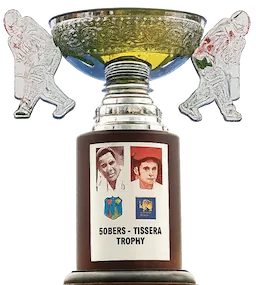
Sobers-Tissera Trophy
Cricket has always brought nations together through fierce competition and unforgettable moments, and the Sobers‑Tissera Trophy remains one of the most compelling fixtures in the West Indies-Sri Lanka rivalry. Named after legends Sir Garfield Sobers and Michael Tissera, this bilateral Test contest has grown in stature over the years, attracting strong interest from fans and the cricket‑betting community across India. With the 2026 edition now completed, the tournament once again highlighted how deeply competitive this matchup has become, especially with its role in the WTC 2025-2027 cycle.
The latest tour, held across Kingston and Antigua from June 3rd, 2026 to July 7th, 2026, saw West Indies reclaim the Sobers‑Tissera Trophy with a 1-0 Test series win. The opening Test produced a commanding West Indies victory, while the second ended in a draw, sealing the trophy for the hosts. Beyond the Tests, Sri Lanka edged the ODI series 1-0, and West Indies secured the T20I series 2-1, giving the tour a balanced but high‑energy finish across formats. With this result, West Indies enter the next cycle as the current holders of the Sobers‑Tissera Trophy, adding a fresh chapter to a rivalry that continues to evolve.




Cricket West Indies (CWI)






Introduction
The Sobers-Tissera Trophy sits in a unique space within Test cricket, capturing the long-running cricketing relationship between Sri Lanka and the West Indies. Introduced in 2015-16, the trophy honours two iconic figures from the sport’s earlier eras: Sir Garfield Sobers, celebrated globally for his all-round brilliance, and Michael Tissera, remembered for leading Ceylon with distinction in the years before Sri Lanka gained Test status. Their names give the series a cultural and historical depth that goes beyond the scorecard, tying modern contests to the shared cricketing heritage of two regions that have shaped the game in very different ways.
Across its editions, the trophy has reflected the evolving strengths of both teams. Sri Lanka established early dominance with decisive wins in the opening series, while the West Indies found their footing in later editions, culminating in their maiden title in 2026. The structure remains straightforward: bilateral Test series hosted alternately in the Caribbean and Sri Lanka, with each edition bringing its own character through changing team combinations, playing conditions, and scheduling demands. Venues like Galle, North Sound, and Port of Spain have become familiar touchpoints, each adding its own atmosphere to the contest.
Beyond the cricket itself, the series carries subtle layers of cultural exchange. Fans from both regions follow these matches closely, and the trophy has become a distinctive part of the Test cricket calendar, linking two cricketing traditions with deep sporting histories. The 2026 edition added another important chapter to that story, as the West Indies claimed their first Sobers-Tissera Trophy series after beating Sri Lanka in the opening Test before the second match ended in a draw.
To make the experience richer, you can also read this article in Hindi (सोबर्स-टिसेरा ट्रॉफी की अंग्रेजी समीक्षा), where the story of the Sobers-Tissera Trophy is presented in Hindi with further context on its history, venues, and key milestones.
Best Online Betting Sites in India - October 2026










































Current Season
West Indies defeated Sri Lanka in the final Test of the 2026 Sobers Tissera Trophy series, winning the two‑match contest 1-0 in Antigua on 03 July 2026. The tour ran from 03 June 2026 to 07 July, 2026, with the decisive Test held at Sir Vivian Richards Stadium.
The West Indies and Sri Lanka have long shared one of international cricket’s quieter yet deeply competitive rivalries, and the 2026 tour which concluded in early July 2026 reaffirmed how compelling this contest remains across formats. The series structure, featuring eight internationals across Tests, ODIs and T20Is, ultimately delivered a full month of cricket that blended tradition with modern broadcast expectations. The Sobers Tissera Trophy Test leg continued as part of the ICC World Test Championship 2025-2027 cycle, giving the red‑ball matches added significance for both sides and for fans tracking WTC points in betting‑related markets.
One of the most notable aspects of this edition was the continued consolidation of matches into fewer islands. This approach, implemented by Cricket West Indies before the tour, proved effective during the 2026 series, reducing logistical strain and creating a more predictable operational environment. Sabina Park hosted all three ODIs and the entire T20I block, while Antigua staged both Tests, resulting in a streamlined two‑venue tour that contrasted sharply with the multi‑island spreads of earlier decades. The strategy aligned with Cricket West Indies’ cost‑efficiency program and its focus on consistent broadcast quality, a priority that remained evident throughout the tour.
The ODI leg, originally scheduled from 03 to 08 June 2026, ultimately saw Sri Lanka edge the series 1-0 after weather interruptions affected the remaining fixtures. Sabina Park’s early‑June conditions once again produced lively first‑hour spells, but the quick outfield kept scoring brisk whenever play was possible. For bettors, the reduced number of completed ODIs created tighter markets and increased emphasis on venue‑specific trends rather than long‑series form.
The T20I block from 11 to 14 June 2026 delivered a competitive three‑match sequence, with West Indies winning 2-1. Humidity and evening dew, typical of Kingston’s early‑summer climate, influenced chasing decisions and added tactical layers that were closely watched by live‑betting audiences. Crowd energy at Sabina Park remained one of the highlights of the tour, with rhythm sections and steel drums creating a carnival‑like backdrop that resonated strongly with Indian viewers accustomed to IPL‑style atmospheres.
The Test series in Antigua, forming the Sobers Tissera Trophy, became the defining chapter of the tour. West Indies claimed the trophy 1-0, winning the first Test by an innings margin before the second ended in a draw. Antigua’s surfaces behaved as expected, offering slow deterioration and rewarding disciplined batting and tall seamers. The West Indies victory marked a significant milestone in their WTC campaign, giving them valuable points and reaffirming their growing stability in red‑ball cricket. Sri Lanka, meanwhile, showed resilience in phases but could not overturn the early deficit.
Kingston’s atmosphere remained vibrant throughout the white‑ball matches, while Antigua offered a calmer, more traditional Test‑match environment. Attendance across both venues appeared steady, with strong local turnout for T20Is and tourism‑driven footfall during the Tests. Broadcast distribution followed the established Caribbean model, with ESPN Caribbean and ICC global partners carrying feeds internationally. Indian audiences received coverage through ICC’s South Asia partners, ensuring stable access for live‑betting and fantasy‑cricket engagement.
The tour maintained steady sponsor visibility across broadcast and digital platforms, even though bilateral series rarely publish detailed financials. Engagement on Caribbean and South Asian streaming platforms appeared strong, supported by the competitive nature of the T20Is and the WTC relevance of the Tests. The series also contributed to regional cricket tourism, with Antigua in particular benefiting from mid‑season visitor traffic driven by Test‑match interest.
Culturally, the tour reinforced the Caribbean’s unique cricketing identity. The blend of music, community involvement and relaxed stadium culture contrasted with the high‑intensity environments familiar to Indian fans, offering a refreshing viewing experience. The rivalry’s respectful tone, shaped by decades of bilateral contests, continued to resonate with global audiences who appreciate traditional Test cricket alongside modern limited‑overs entertainment.
As of now, the next Sri Lanka tour of the West Indies has not been officially scheduled. ICC’s WTC 2027-2029 cycle will determine the timing of the next Sobers Tissera Trophy series, but no confirmed dates or venues have been announced. Fans can expect updates once the ICC finalizes the upcoming FTP.
Ongoing October 2026 Events
 |
ICC World Test Championship (WTC) Test | June 17, 2025 – June 13, 2027 | LIVE |
|
ICC Women's Championship ODI | February 20, 2026 – April 15, 2029 | LIVE |
 |
Minor League Cricket (MiLC) T20 | September 17, 2026 – October 25, 2026 | LIVE |
|
Cricket at the Asian Games T20I | September 17, 2026 – October 3, 2026 | |
  |
South Africa vs Australia Tour | September 24, 2026 – October 31, 2026 | LIVE |
 |
Col CK Nayudu Winners vs ROI FC | October 1–4, 2026 | |
|
Irani Cup FC | October 1–5, 2026 | |
 |
National Cricket League (NCL) FC | October 3, 2026 – November 17, 2026 | LIVE |
|
Vinoo Mankad Trophy List A | October 8–27, 2026 | LIVE |
  |
Sri Lanka vs Pakistan Tour | October 9, 2026 – November 21, 2026 | LIVE |
|
Women's U19 T20 Trophy T20 | October 9–26, 2026 | LIVE |
|
Ranji Trophy FC | October 11, 2026 – March 3, 2027 | LIVE |
|
Col CK Nayudu Trophy Multi-Day | October 12, 2026 – March 1, 2027 | LIVE |
 |
India vs New Zealand Tour | October 22, 2026 – December 1, 2026 | |
 |
Nepal Premier League (NPL) T20 | October 26, 2026 – November 21, 2026 | |
|
Senior Women's T20 Trophy T20 | October 26, 2026 – November 20, 2026 | |
 |
Bangladesh vs West Indies Test | October 28, 2026 – November 9, 2026 | |
|
Women's Big Bash League (WBBL) T20 | October 29, 2026 – December 5, 2026 | |
|
Women's U19 T20 Challenger Trophy T20 | October 30, 2026 – November 5, 2026 |
Ongoing October 2026 Events
|
ICC World Test Championship (WTC) Test | June 17, 2025 – June 13, 2027 | LIVE |
|
ICC Women's Championship ODI | February 20, 2026 – April 15, 2029 | LIVE |
|
Minor League Cricket (MiLC) T20 | September 17, 2026 – October 25, 2026 | LIVE |
|
Cricket at the Asian Games T20I | September 17, 2026 – October 3, 2026 | |
|
South Africa vs Australia Tour | September 24, 2026 – October 31, 2026 | LIVE |
|
Col CK Nayudu Winners vs ROI FC | October 1–4, 2026 | |
|
Irani Cup FC | October 1–5, 2026 | |
|
National Cricket League (NCL) FC | October 3, 2026 – November 17, 2026 | LIVE |
|
Vinoo Mankad Trophy List A | October 8–27, 2026 | LIVE |
|
Sri Lanka vs Pakistan Tour | October 9, 2026 – November 21, 2026 | LIVE |
|
Women's U19 T20 Trophy T20 | October 9–26, 2026 | LIVE |
|
Ranji Trophy FC | October 11, 2026 – March 3, 2027 | LIVE |
|
Col CK Nayudu Trophy Multi-Day | October 12, 2026 – March 1, 2027 | LIVE |
|
India vs New Zealand Tour | October 22, 2026 – December 1, 2026 | |
|
Nepal Premier League (NPL) T20 | October 26, 2026 – November 21, 2026 | |
|
Senior Women's T20 Trophy T20 | October 26, 2026 – November 20, 2026 | |
|
Bangladesh vs West Indies Test | October 28, 2026 – November 9, 2026 | |
|
Women's Big Bash League (WBBL) T20 | October 29, 2026 – December 5, 2026 | |
|
Women's U19 T20 Challenger Trophy T20 | October 30, 2026 – November 5, 2026 |


Previous Seasons
Even though the Sobers-Tissera Trophy isn't as old as some of Test cricket's oldest battles, it has already made its own story since it started in the 2015-2016 season. It gave the Test rivalry between the two countries a distinct identity and a trophy that honors two important figures from their cricketing histories.
Past Sobers-Tissera Trophy Editions
- 2026 Series (West Indies)
The 2026 edition of the Sobers-Tissera Trophy was held in the West Indies, with both Tests played at the Sir Vivian Richards Stadium in Antigua. West Indies won the two-match series 1-0, securing the trophy after winning the opening Test by an innings, while the second match ended in a draw. The series remained part of the ICC World Test Championship 2025-2027 cycle, adding further importance to each session. Antigua's conditions allowed for substantial contributions from both batters and bowlers, with West Indies doing enough across the two Tests to take the series. Justin Greaves was named Player of the Series for his all-round contribution, while the contest added another chapter to the history of the Sobers-Tissera Trophy.
- 2021-2022 Series (Sri Lanka)
The 2021-2022 edition was played in Sri Lanka, with the home team winning both Tests 2-0 to retain the trophy. The turning tracks suited Sri Lanka's spin attack, which proved too strong for the visiting West Indies batters. Sri Lankan off-spinner Ramesh Mendis was named Player of the Series after a standout bowling performance across the two Tests. The result marked Sri Lanka's second consecutive series victory in the Sobers-Tissera Trophy, following the 2015-2016 edition, while the trophy remained with Sri Lanka after the series.
- 2021 Series (West Indies)
Another two-Test series was held in the West Indies in 2021, and both matches ended in draws. The series didn't have a clear winner, but both teams had strong periods during the two Tests. The conditions offered opportunities for batting, while both sides had to work hard to force a result. Sri Lankan fast bowler Suranga Lakmal was named Player of the Series for his performances across the two matches, even though neither Test produced a winner.
- 2018 Series (West Indies)
The trophy returned to the Caribbean for a three-Test series in 2018. West Indies won the opening Test, Sri Lanka won the third, and the second Test ended in a draw, leaving the series tied at 1-1. The result reflected a competitive contest in which both teams had a victory to their name. West Indies wicketkeeper-batter Shane Dowrich was named Player of the Series after making a major contribution with the bat and playing an important role throughout the campaign.
- 2015-2016 Series (Sri Lanka)
The first Sobers-Tissera Trophy series took place in Sri Lanka, where the home side won both Tests 2-0. Rangana Herath was named Player of the Series after playing a key role with his left-arm spin as Sri Lanka dominated the two-Test contest. The opening edition established the trophy as part of the Test rivalry between Sri Lanka and West Indies and gave Sri Lanka the first series victory in the competition.
The five Sobers-Tissera Trophy series played so far have produced three Sri Lankan series wins, one West Indies series win and one drawn series. Sri Lanka has also retained the trophy through the drawn 2018 and 2021 series, before winning the 2021-2022 and 2026 editions. The history of Sri Lanka vs. West Indies Test matches under this trophy shows how the rivalry has developed across different conditions, from Sri Lanka's spin-friendly home surfaces to the Caribbean venues where West Indies have produced strong performances. These past contests provide useful context for understanding the teams and the history of the Sobers-Tissera Trophy.
| Season | Champion | Runner-up | Final Result | Event / Final Location |
|---|---|---|---|---|
| 2026 | West Indies | Sri Lanka | West Indies won 1-0 (2 Tests) | West Indies |
| 2021-2022 | Sri Lanka | West Indies | Sri Lanka won 2-0 (2 Tests) | Sri Lanka |
| 2021 | West Indies | Sri Lanka | Searies drawn 0-0 (3 Tests) | West Indies |
| 2018 | West Indies | Sri Lanka | Searies drawn 1-1 (3 Tests) | West Indies |
| 2015-2016 | Sri Lanka | West Indies | Sri Lanka won 2-0 (2 Tests) | Sri Lanka |
* Refers only to Test cricket encounters.
History and Structure
The first match for the Sobers-Tissera Trophy was in the 2015-2016 season, making it a fairly new addition to the list of named Test cricket trophies. The West Indies Cricket Board and Sri Lanka Cricket introduced it to give the Test series between these two countries a distinct identity and added historical significance. Before it was created, matches between West Indies and Sri Lanka were simply part of their bilateral international series, without a dedicated trophy representing the rivalry.
The trophy's name is a strong ode to two legends of cricket in their respective countries. Sir Garfield Sobers is from Barbados in the West Indies. He is widely regarded as one of the greatest all-rounders in the history of the game. The way he led the West Indies cricket team and the remarkable things he achieved with both bat and ball defined an era. His reputation lives on through generations, representing skill, power, and cricketing brilliance.
Due to Sri Lanka's later arrival in Test cricket, Michael Tissera may not be as well known around the world as Sobers. However, he is a respected figure in Sri Lankan cricket history. Tissera was a right-handed batter and leg-spin bowler who also made a significant contribution as a captain. He led Ceylon, as Sri Lanka was then known, to important first-class victories, including a famous win over India. To this day, people in Sri Lanka respect his contribution to the sport during the period before the country gained Test status. Naming the trophy after both men reflects the importance of their achievements and the era in which they made their mark on cricket, even though their international profiles differed greatly.
The rules for the Sobers-Tissera Trophy series follow the standard laws and playing conditions of Test cricket. The series can feature two or three five-day Test matches, depending on the schedule agreed by the two teams. The trophy goes to the team that wins the series, while a drawn series allows the existing holder to retain it. In a two-Test series, a 1-1 result is therefore a series draw, while in a three-Test series the series can also be drawn if neither side wins enough matches to take the overall lead. This approach keeps the trophy tied to the outcome of the complete Test series rather than any individual match.
It's impossible to say enough about how important these kinds of trophies are in modern cricket. They add history, status, and a real goal to a paired series that goes beyond just winning individual matches. As an extra incentive for players, they give both teams a specific trophy to work toward. Fans can follow the ups and downs of a long-running rivalry, which makes the story more interesting. Because of its history and competitive format, the Sobers-Tissera Trophy gives each Test series an added layer of context, with individual performances and the overall result contributing to the wider story of the contest.
Additionally, these trophies play a big role in keeping Test cricket's history alive in a world where cricket is always changing. They remind everyone involved with the game of its long history and the timeless draw of the five-day structure, which stresses mental toughness, strategic depth, and long-term success.



Final Thoughts
Even though it is still a relatively young part of the international Test calendar, the Sobers Tissera Trophy has quickly developed into a meaningful contest between two nations with distinct cricketing identities. It reflects the competitive spirit shared by West Indies and Sri Lanka while honoring Sir Garfield Sobers and Michael Tissera, two figures whose careers represent skill, dignity, and a deep commitment to the game. Their influence continues to shape how players from both regions approach Test cricket.
The history of this series has already produced moments that highlight the contrasting strengths of the two sides. Sri Lanka’s command of spin and their ability to control long stretches of play underline their comfort in conditions that reward patience and precision. The West Indies, meanwhile, have often leaned on their traditional pace resources and natural flair at home, creating a style of cricket that can shift momentum quickly. These differences ensure that every meeting carries tactical depth, competitive balance, and enough unpredictability to interest fans who follow form, conditions, and betting angles with attention to detail.
Ultimately, the Sobers Tissera Trophy stays true to the values of Test cricket. It is built on long‑form strategy, adaptability, and the ability to win key sessions across five demanding days. As the rivalry grows, the trophy continues to strengthen its place in the global Test landscape, adding new chapters to a contest shaped by respect and ambition. Future generations will look to the achievements of Sobers and Tissera as they chase a prize that symbolizes both heritage and high‑level competition.
Did You Know
